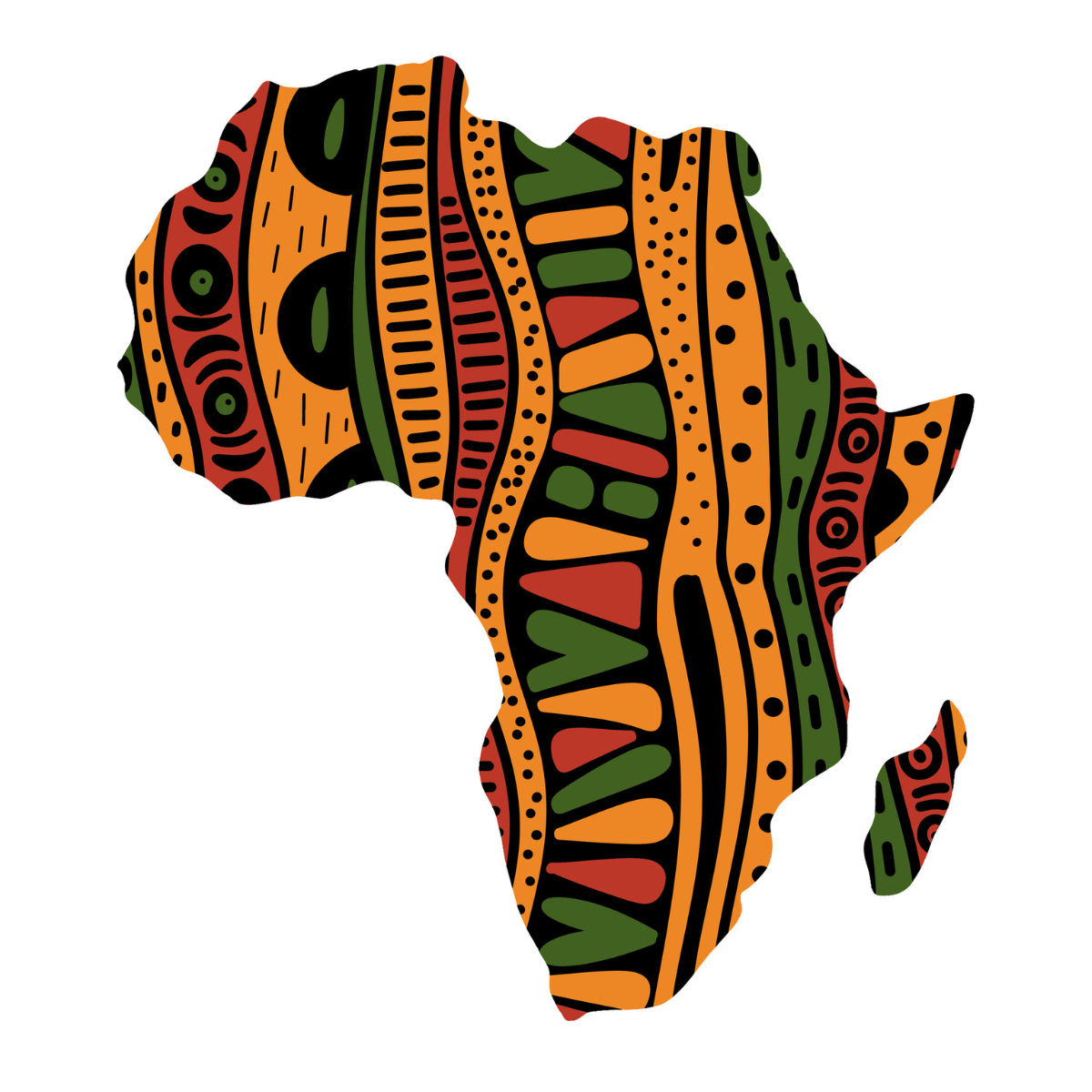
Every 25 May, we celebrate the Africa Day, a date that commemorates the founding of the Organisation of African Unity in 1963 and highlights the continent’s cultural, historical and social diversity. This day serves as a reminder of the importance of cooperation between African countries and celebrates Africa’s role as a diverse, dynamic and ever-changing region.
African culture is gaining international prominence
Beyond its political and historical significance, Africa Day has become an opportunity to recognise the continent’s influence on the global culturel. From music to fashion, and encompassing film, art, literature and gastronomy, African creative expressions continue to gain prominence on the international stage and connect with audiences around the world.
In recent years, African artists, designers, filmmakers and creators have championed new narratives that challenge stereotypes and broaden the continent’s representation on the global stage. Their work not only revives their own traditions, languages and symbols, but also combines them with contemporary perspectives, generating innovative ideas with a highly recognisable identity.
New generations, identity and cultural innovation
The occasion also invites us to reflect on the role of the younger generations in shaping a future that is more closely linked to identity, innovation and cultural exchange. Young creators, African entrepreneurs and professionals are helping to project a more diverse image of the continent, one that moves away from simplistic views and is closer to its current reality.
In an increasingly globalised world, Africa Day celebrates not only the continent’s history, but also its ability to continue setting trends and inspiring conversations around the world. It is an opportunity to recognise its legacy, its creativity and its growing influence on contemporary culture.