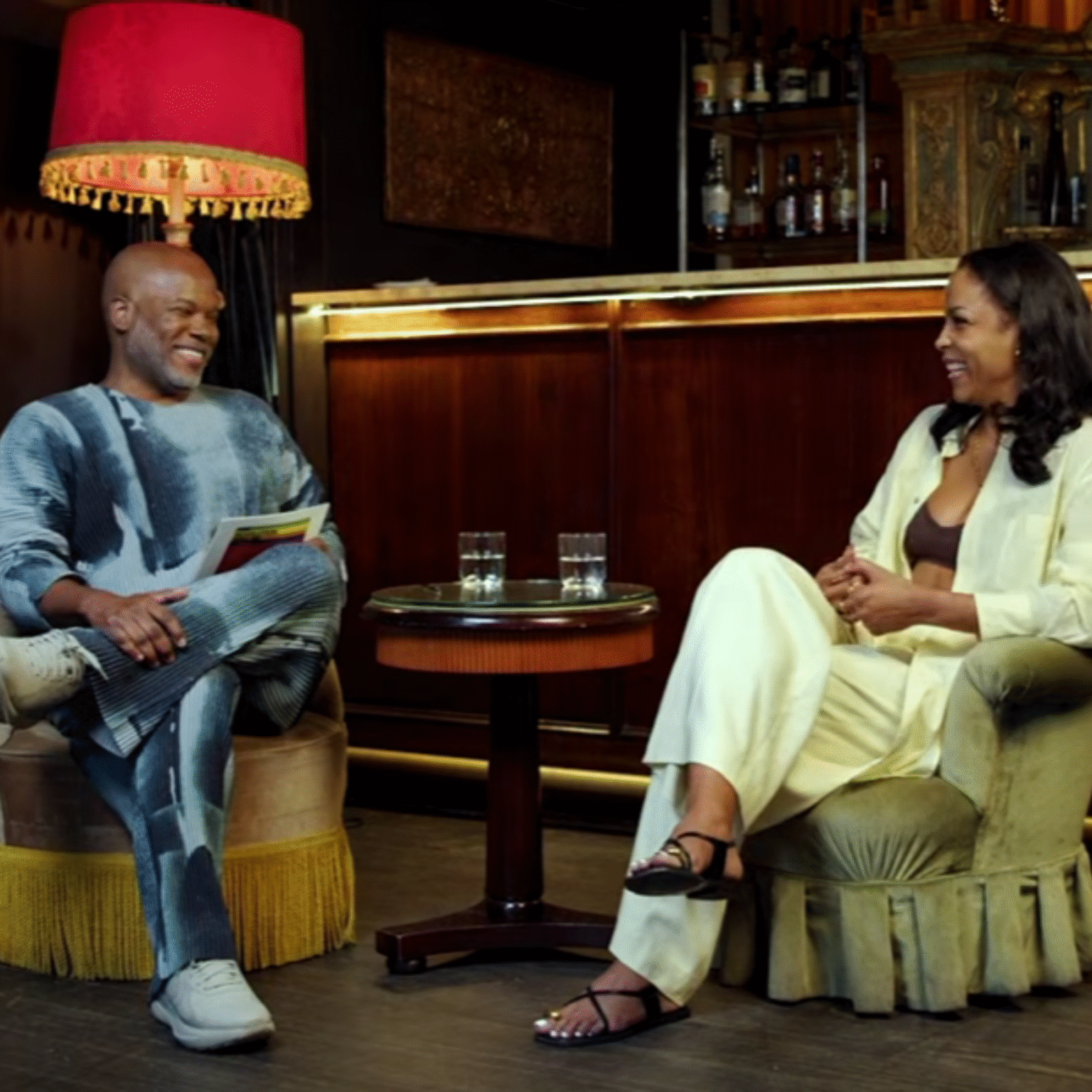
Coréon Dú adds a new episode to The Revolution Will Be Televisedits conversation format focusing on creativity, culture and audiovisual industries. On this occasion, the guest speaker is the Angolan actress and presenter Nádia Silva, internationally known for her starring role in the soap opera Windeck, one of the most internationally acclaimed African productions of recent years.
Throughout the conversation, the two address issues of representation, cultural identity and the role of African audiovisual in the global industry. The episode offers a reflection on the challenges and opportunities facing creative professionals on the continent, as well as the need to further expand the diversity of voices and narratives on screen.
Beyond stereotypes
One of the central themes of the interview is the persistence of certain stereotypes about Africa and how these continue to condition the international perception of their cultural productions. Both Coréon Dú and Nádia Silva agree on the importance of generating more complex and authentic narratives that reflect the diversity of realities, experiences and contexts present on the continent.
"A woman's place is wherever she wants to be", says Nádia Silva during the conversation, a reflection that connects with the role of women in the creative industries and with the need to continue promoting more inclusive spaces of representation.
The international potential of African audiovisual
The episode also focuses on the impact of Windeck as one of the most outstanding examples of the capacity of African audiovisuals to connect with international audiences. Based on this experience, the two analyse the evolution of the industry in recent years and the opportunities offered by new platforms and distribution models to increase the visibility of content produced in Africa.
In addition, the conversation delves into issues such as creative entrepreneurship, cultural development and the construction of an audiovisual industry capable of generating economic value, international projection and cultural references for new generations of creators.
With this new chapter, The Revolution Will Be Televised continues to consolidate itself as a space for dialogue on contemporary culture, identity and the role of creativity as a driver of social and cultural transformation.