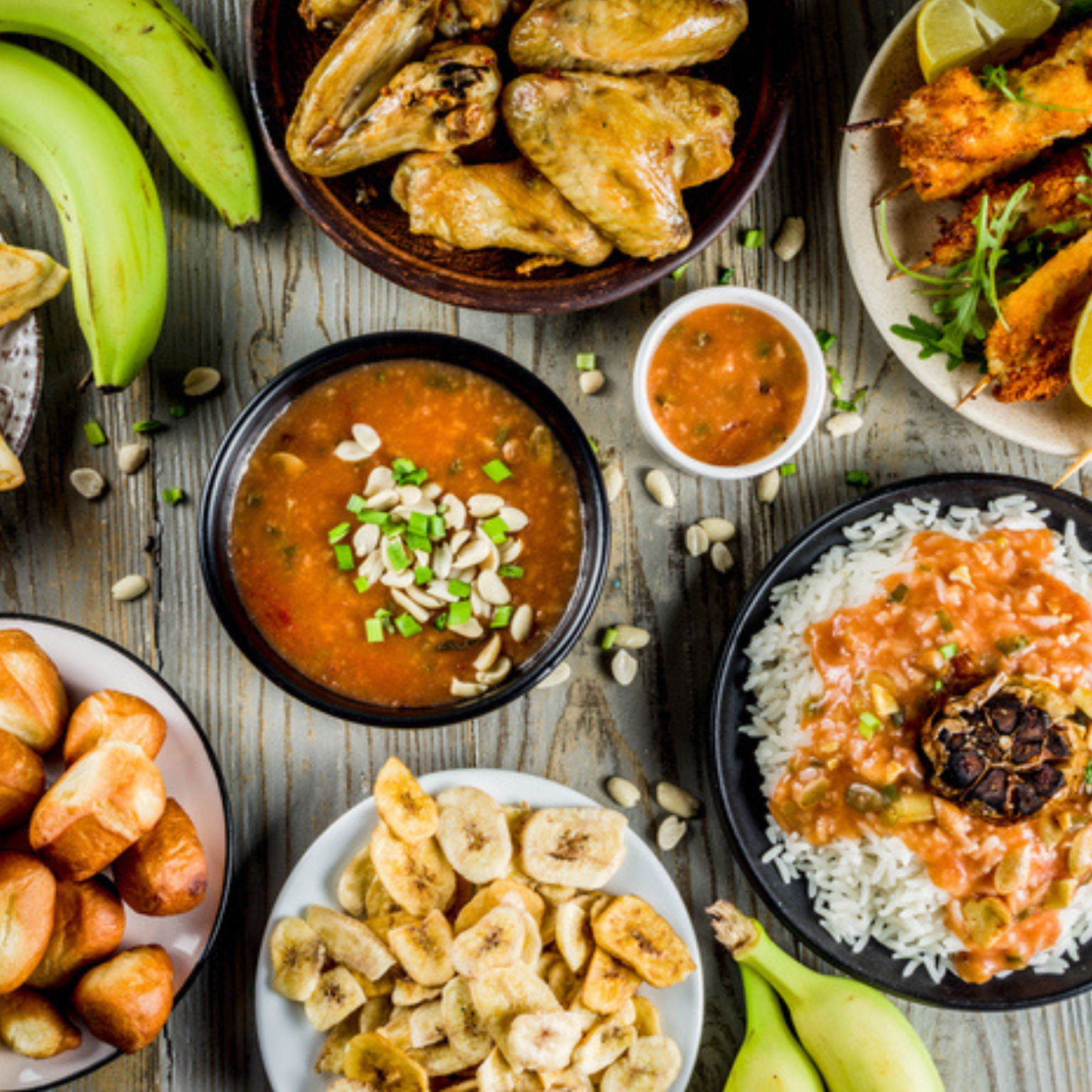
African cuisine is finding new ways to reach international audiences. Restaurants, chefs, social media and innovative culinary concepts are helping to raise the profile of a diverse cuisine that has long been overlooked by the major international gastronomic circuits.
From tradition to new tables
More than just a passing fad, gastronomy is part of the cultural identity of many African communities. UNESCO emphasises that food-related practices pass on knowledge, skills and traditions from one generation to the next and help to strengthen social ties and a sense of belonging.
One example is Ceebu Jën, a traditional Senegalese dish made with rice, fish and vegetables, which has been inscribed on the Representative List of the Intangible Cultural Heritage of Humanity since 2021. Its recipes and techniques are traditionally passed down from mothers to daughters and form part of Senegalese identity.
A cuisine that is also reinventing itself
At the same time, a new generation of chefs and creators is reinterpreting traditional ingredients and recipes for new audiences. On social media, dishes such as jollof rice, suya, mafé and Ceebu Jën itself are appearing with increasing frequency in international food-related content.
This visibility is also helping to revive products and techniques that had been sidelined in favour of imported culinary models. In Senegal, for example, initiatives linked to traditional cuisine are championing the role of local cuisine and those who keep these practices alive.
The international expansion of these cuisines is not just an opportunity for restaurants and chefs. It also offers a chance to showcase Africa through its own flavours, ingredients and stories, making gastronomy another way to discover a diverse and ever-changing continent.