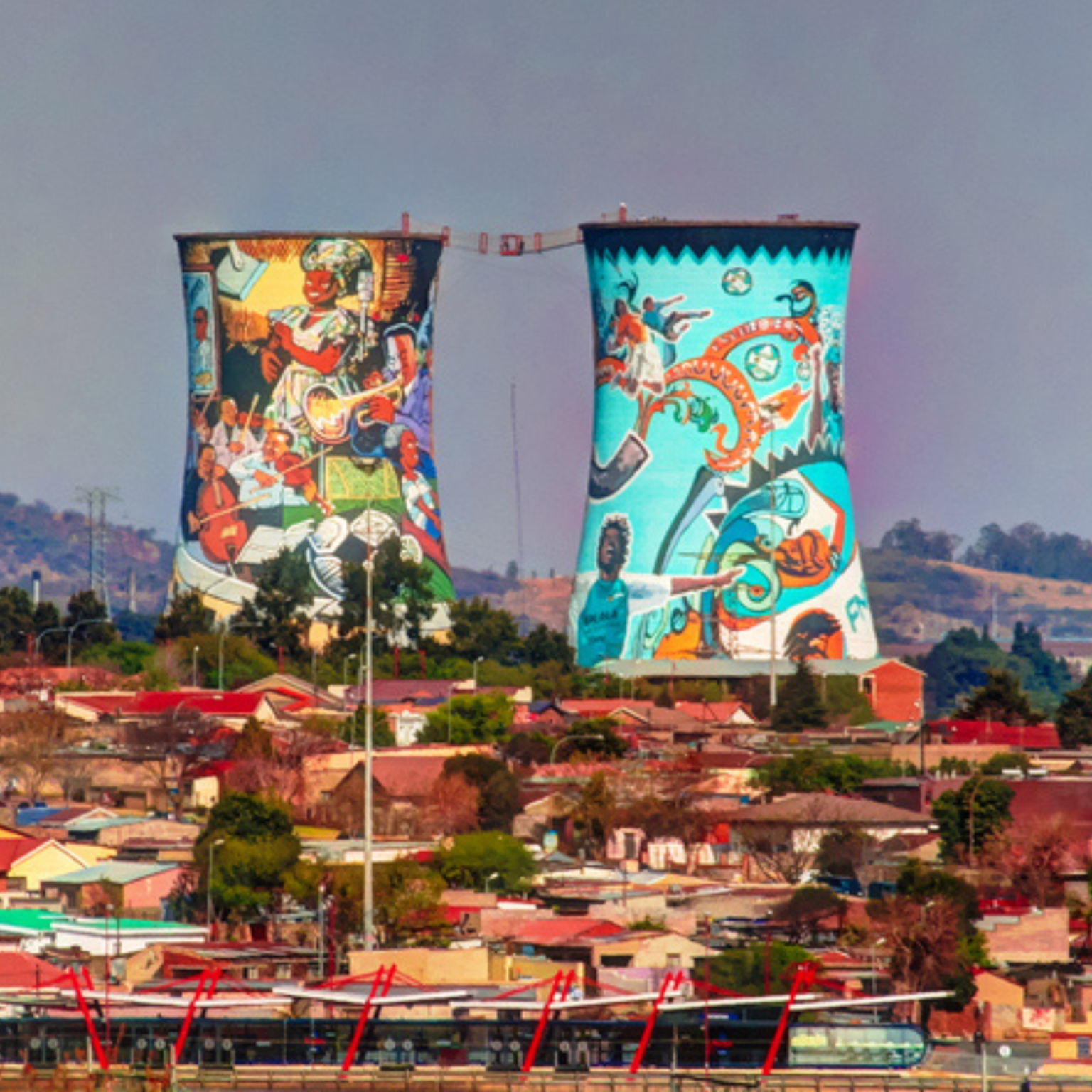
The African cities are undergoing a period of cultural transformation. In recent years, numerous cities across the continent have strengthened their role as spaces for creation, encounter and exchange, fostering increasingly dynamic artistic scenes that are connected to the rest of the world. Culture has also become a tool for projecting new narratives about Africa and showcasing the diversity of its societies, traditions and contemporary expressions.
New hubs of creativity and talent
Lagos, regarded as Nigeria’s economic capital, has established itself as one of the continent’s major cultural hubs thanks to the rise of Nollywood, its vibrant music scene and venues such as Terra Kulture, as well as contemporary art galleries that attract artists, collectors and professionals from the cultural sector across various countries.
In Dakar, the Dak’Art Biennale, organised with the support of the Senegalese government, has become the leading biennial for African contemporary art, bringing together artists from across the continent and the diaspora every two years. Events of this kind help to boost the city’s international profile and create new opportunities for exchange between artists, institutions and the public.
For its part, Luanda continues to strengthen its creative ecosystem through initiatives linked to music, fashion and the visual arts, whilst Kigali is championing an emerging arts scene with venues such as the Kigali Centre for Photography and the Inema Arts Centre, which has become one of Rwanda’s cultural landmarks. In both cases, the emergence of new cultural projects is helping to raise the profile of local talent and connect creators with international networks.
Culture as a driving force for urban development
UNESCO is also driving this transformation through initiatives such as the Creative Cities Network, which recognises cities where culture and creativity form part of their sustainable development strategy. Furthermore, the organisation highlights the role of heritage and cultural industries as drivers of innovation, employment and economic development in Africa.
This cultural growth does not only have an impact on the arts. It also encourages the emergence of new leisure venues, educational initiatives, tourism-related projects and opportunities for the creative industries, helping to strengthen the identity and appeal of cities.
Rather than simply following trends, these cities are helping to shape them, demonstrating that creativity can become a driving force for development, innovation and international visibility. Their evolution reflects a continent that is increasingly present on the global cultural scene and capable of generating its own initiatives that transcend borders.